
July 29, 2026
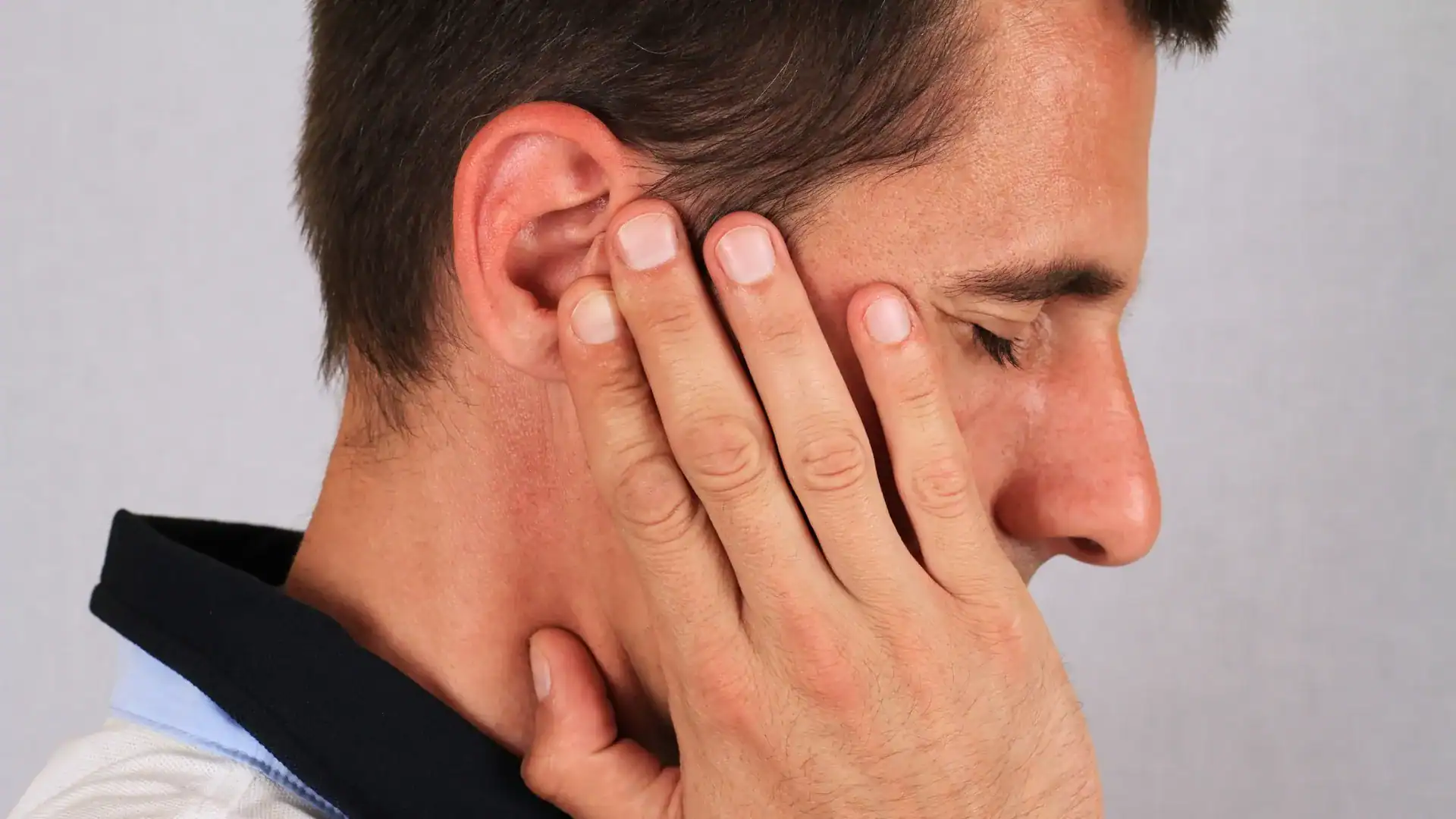
The sensation of sharp or dull pain in the ear while swallowing often stems from the complex connection between the throat and the middle ear. This specific discomfort usually points toward a blockage or inflammation within the narrow pathway known as the eustachian tube.
When a person swallows, these tubes should naturally open to balance the air pressure behind the eardrum. If they remain stuck or become swollen due to a common cold, the pressure shift causes a sudden tugging sensation. This mechanical failure creates a sharp ache that feels internal rather than on the outer skin.
Eustachian Tube Dysfunction and Pressure
The most frequent culprit behind this sharp stinging involves the small canal that links the middle ear to the back of the throat. Healthy tubes open momentarily during a swallow to refresh the air supply and keep pressure stable. When inflammation occurs, the tube stays shut, creating a vacuum that pulls the eardrum inward with every gulp.
This physical tension leads to a localized ache that often worsens during changes in elevation or while battling a head cold. Addressing the underlying congestion typically allows the tubes to function properly again and eliminates the daily discomfort during meals or drinks.
Middle Ear Infections and Fluid Buildup
Fluid trapped behind the eardrum creates a perfect environment for bacteria to grow and cause significant pressure. When someone attempts to swallow, the muscles in the throat pull on the surrounding tissues, which puts direct stress on an already sensitive and infected middle ear.
This movement irritates the inflamed lining and results in a throbbing pain that radiates through the side of the head. Often, the ear feels full or clogged as if it were underwater. Since the throat and ears share the same nerve pathways, the brain sometimes struggles to tell exactly where the pain begins.
Throat Irritation and Referred Earache
Secondary pain in the ear (or a referred earache) frequently occurs when a sore throat or tonsil infection sends signals along the glossopharyngeal nerve. This specific nerve supplies sensation to both the back of the throat and the deep parts of the ear canal. Because the brain receives input from both areas on a single path, it can misinterpret a scratchy throat as a deep earache.
Swallowing requires significant muscle coordination in the pharynx, which triggers these sensitive nerves repeatedly. While the ear itself might be perfectly healthy, the irritation in the throat demands attention to stop the radiating discomfort effectively.
Jaw Joint Tension and Muscle Tightness
The joint where the jaw meets the skull sits incredibly close to the ear canal and shares several nearby ligaments. When a person clenches their teeth or deals with joint displacement, the simple act of swallowing can shift the jaw enough to irritate the ear. This type of pain often feels like a deep, structural ache rather than an itchy or fluid-based sensation.
Muscles used for chewing and swallowing can become fatigued or tight, causing referred pain that mimics a chronic ear problem. Relaxing the jaw and addressing dental alignment often provides the necessary relief for these symptoms.
Hidden Acid Reflux and Nerve Sensitivity
Silent reflux happens when stomach acid travels up the esophagus and reaches the delicate tissues near the eustachian tube openings. This acidic vapor causes chemical irritation and swelling in the back of the throat without always causing traditional heartburn. The resulting inflammation makes the act of swallowing painful and frequently leads to a persistent, unexplained earache.
Many people overlook this connection because they do not feel typical stomach upset or indigestion. Protecting the throat from these acidic irritants can reduce the swelling and stop the recurring pain that occurs with every single meal or drink.
Professional Care for Lasting Ear Relief
Persistent ear pressure or lingering pain can be more than just a nuisance; it often signals that your body needs a bit of extra attention. Leaving these symptoms unaddressed can eventually impact your long-term hearing health.
We provide the clarity needed to pinpoint the exact source of your discomfort and find a lasting solution. Regaining your comfort starts with a simple conversation. Please reach out to our practice to book a hearing assessment. We are here to help you hear clearly and live without the distraction of ear pain.