
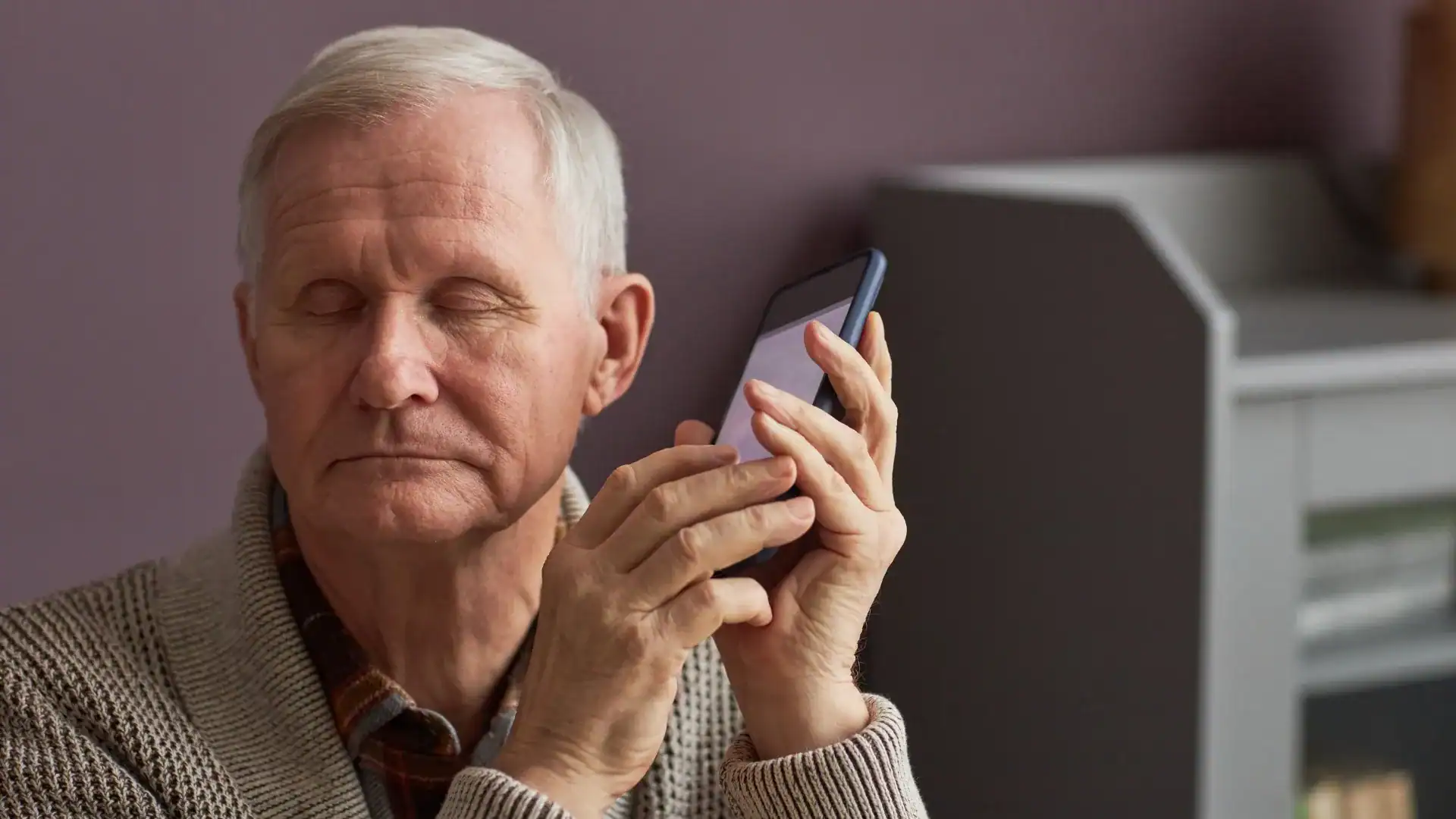
Aging often brings a shift in how people interact with their surroundings. While many focus on physical mobility, the ability to hear clearly remains a cornerstone of a vibrant life. Assistive listening devices, or ALDs, serve as powerful tools that bridge the gap between basic hearing and true engagement.
These devices do not replace hearing aids but rather work alongside them to tackle specific challenges like distance or background noise. By focusing on the sounds that matter most, ALDs help seniors maintain their social lives and hobbies without the constant strain of trying to keep up.
Moving Beyond Standard Sound Amplification
Standard hearing aids are incredible pieces of technology, but they sometimes struggle in vast or echoing spaces. ALDs step in to handle these difficult environments by capturing sound at the source and sending it straight to the ear. This process cuts out the chaotic noise of a crowded restaurant or a windy park.
When the clutter of background sounds disappears, the brain does not have to work nearly as hard to understand speech. This reduction in effort prevents the deep fatigue that often follows a long afternoon spent with friends. Maintaining this energy is what keeps people going back to the activities they love.
Staying Connected in Public Spaces
Many public venues now offer technology that caters specifically to those with hearing challenges. Induction loops and FM systems allow individuals to enjoy movies, plays, and religious services with theater-quality clarity. These systems work by broadcasting audio directly to a receiver or a telecoil-equipped hearing aid.
This direct connection bypasses the poor acoustics often found in large halls. Understanding every word of a lecture or a sermon restores a sense of belonging and participation. Accessing these systems ensures that hearing loss never becomes a reason to stay home.
Improving One-on-One Conversations
Socializing in small groups or pairs often becomes difficult when multiple people talk at once. Personal amplifiers and remote microphones act as a targeted boost for these intimate settings. A person can place a small microphone on a table or have a companion wear it to bring their voice front and center.
This technology is especially helpful during family dinners or quiet walks where a speaker might be facing away. By prioritizing the human voice over ambient noise, ALDs make every word feel closer and more distinct.
Safety and Independence at Home
Independence depends heavily on being aware of the home environment. Alerting devices use lights, vibrations, or extra-loud tones to signal when someone is at the door or when a phone rings. This ensures that no visitor or important call goes unnoticed.
Some systems even connect to smoke detectors or carbon monoxide alarms to provide an extra layer of security through tactile feedback. Feeling safe and informed allows seniors to live confidently in their own space for much longer. These simple additions transform a house into a responsive environment that looks out for the resident.
Breaking the Cycle of Social Withdrawal
When communication feels like a chore, many people naturally begin to pull away from their social circles. This withdrawal can lead to a quiet life that lacks the stimulation needed for mental health. ALDs provide the clarity necessary to jump back into the conversation with confidence.
Being able to laugh at a joke in real time or contribute an opinion during a meeting changes the dynamic of a social interaction. These devices prove that hearing loss is a manageable hurdle rather than an ending. Staying active and engaged requires the right equipment to keep the world sounding sharp and inviting.
Guidance on Next Steps
Waiting for hearing issues to resolve on their own rarely leads to a positive outcome. There is no reason to miss out on the stories of grandchildren or the excitement of a live performance. If you notice that you’re nodding along without truly understanding what is being said, please reach out to us immediately.Note that seeking professional help to find the right combination of technology can change the entire course of your hearing experience. Contact our hearing clinic to speak to a hearing health professional who can recommend a device to fit your specific lifestyle.